
Yulbom Botanical Garden Toechon: A Summer Stroll & Visitor Guide
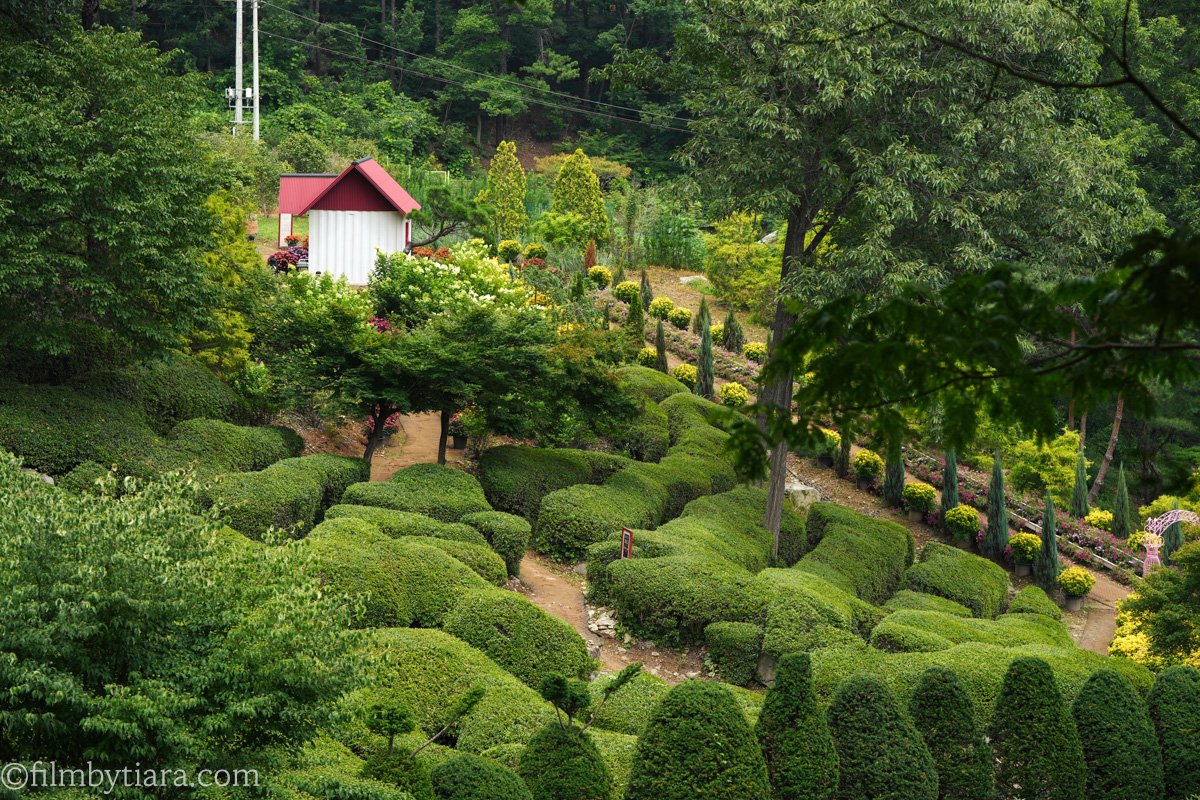
Trees closed in around the road the moment we turned off the main highway toward Toechon, and the temperature seemed to drop a few degrees just from the shade. Yulbom Botanical Garden sits far enough outside Seoul that most visitors need a car to get here — and that distance is exactly what keeps it quiet. Spread across roughly 20,000 pyeong (about 66,000 square meters) of outdoor space, it’s filled with well-tended gardens and a small animal area, making it an easy, kid-friendly day trip for the whole family.
This guide is based on multiple visits, but focuses on what to expect if you go in summer, like I did most recently.
Yulbom Botanical Garden Quick Facts
- Location: Toechon-myeon, Gwangju-si, Gyeonggi-do (about 1–1.5 hrs from central Seoul by car)
- Opening hours: 10:00–18:00 (April–October) / 10:00–17:00 (November–March)
- Admission: 5,000 KRW for adults and children alike
- Free entry: Children under 24 months
- Parking: Available, but the lot isn’t huge — arrive early on weekends
- Getting there: Car strongly recommended (see note below)
- Time needed: 2–3 hours to walk the full route comfortably
You’ll Need a Car — Let Me Explain Why
Public transit to Yulbom Botanical Garden is honestly a pain. Most travelers in Korea rely on the subway, but there’s no station anywhere near here. Taking the bus from central Seoul involves multiple transfers and long waits—turning what should be a 1-hour drive into a 2.5-hour headache each way.
If you don’t have your own car, your realistic options are:
- Renting a car for the day — this is what most long-term expats and travelers with an international driving permit end up doing. Korean roads are well-signed and driving here is manageable even for foreigners once you’re used to it.
- A private driver or taxi app (like Kakao T) for the round trip — workable, but expect it to cost significantly more than a rental for a single day trip.
- Joining a small-group day tour that covers Gwangju/Toechon countryside spots — worth searching for if you’d rather not drive.
I always drive myself, and honestly, the drive is part of the charm — you’ll pass through genuinely rural, green scenery on the way in that feels a world away from Seoul.
What Summer Actually Looks Like Here
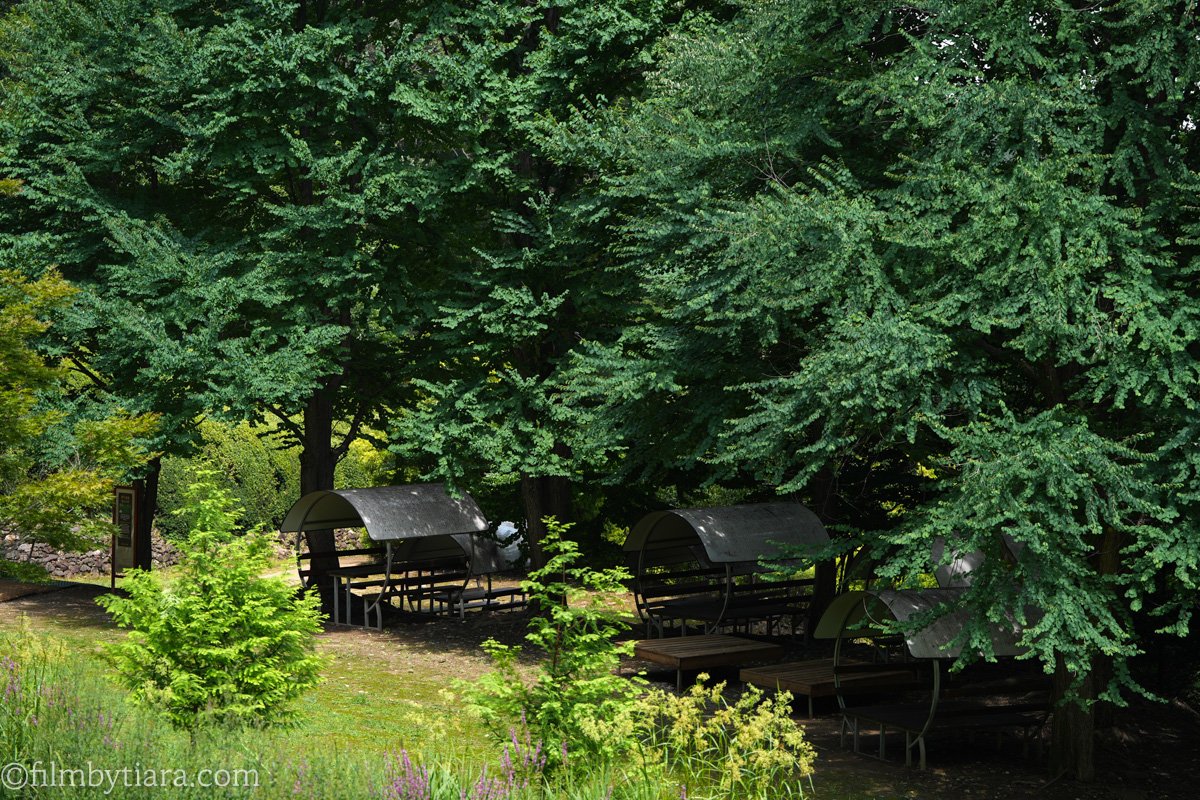
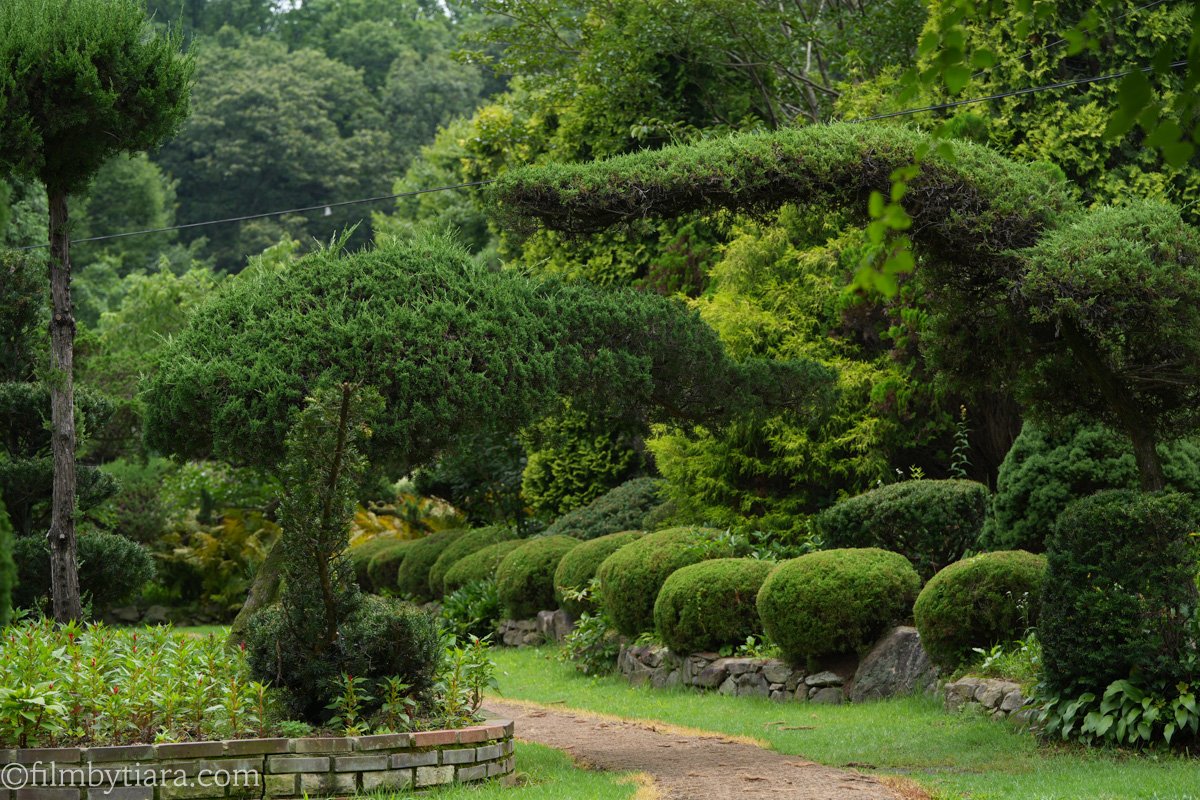
I went at the height of summer, and everywhere was a deep, vivid green. It was a genuinely hot day, but the thick tree canopy and well-kept lawns made the walk feel surprisingly refreshing — the air near the small stream and under the pine garden was noticeably cooler than the open flower beds, and the overall feeling was crisp rather than stifling.
If you’re visiting on a hot day, I’d genuinely recommend timing it for late afternoon, both for the light and to avoid the worst of the midday heat.
Walking the Garden: What You’ll See
The garden path winds through around 14 different themed sections, and the layout makes it easy to just follow the trail without needing a map. Here’s roughly what you’ll pass, in order:
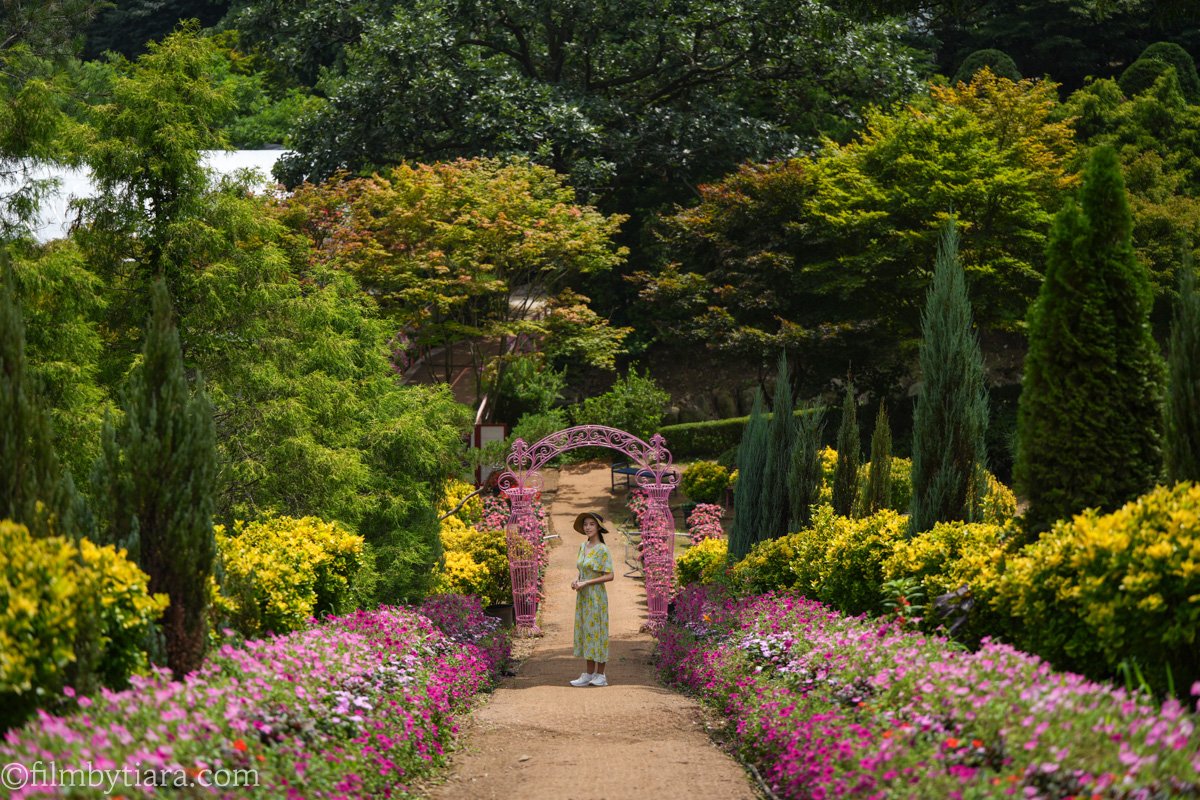
- Garden entrance and flower-lined paths — a colorful welcome no matter the season
- The pine garden — one of the prettiest photo spots on the route
- A succulent greenhouse — a nice indoor break if you want a few minutes out of the sun
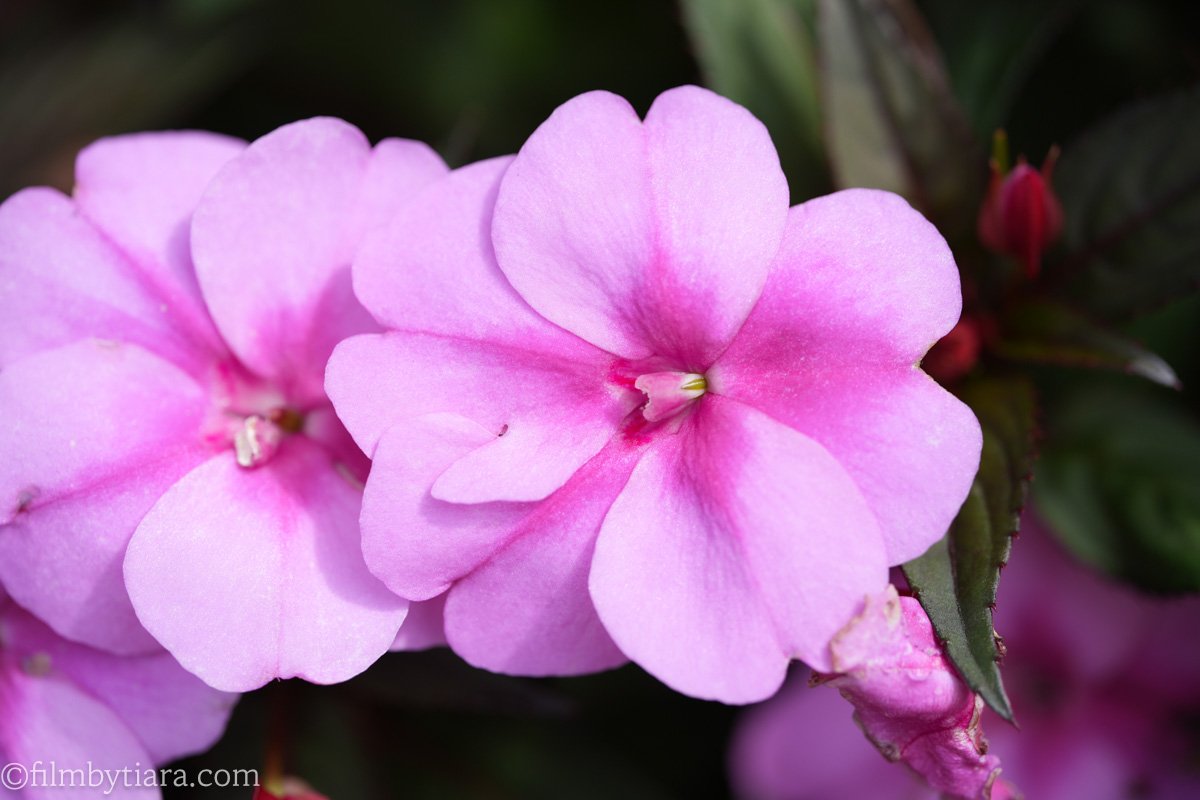
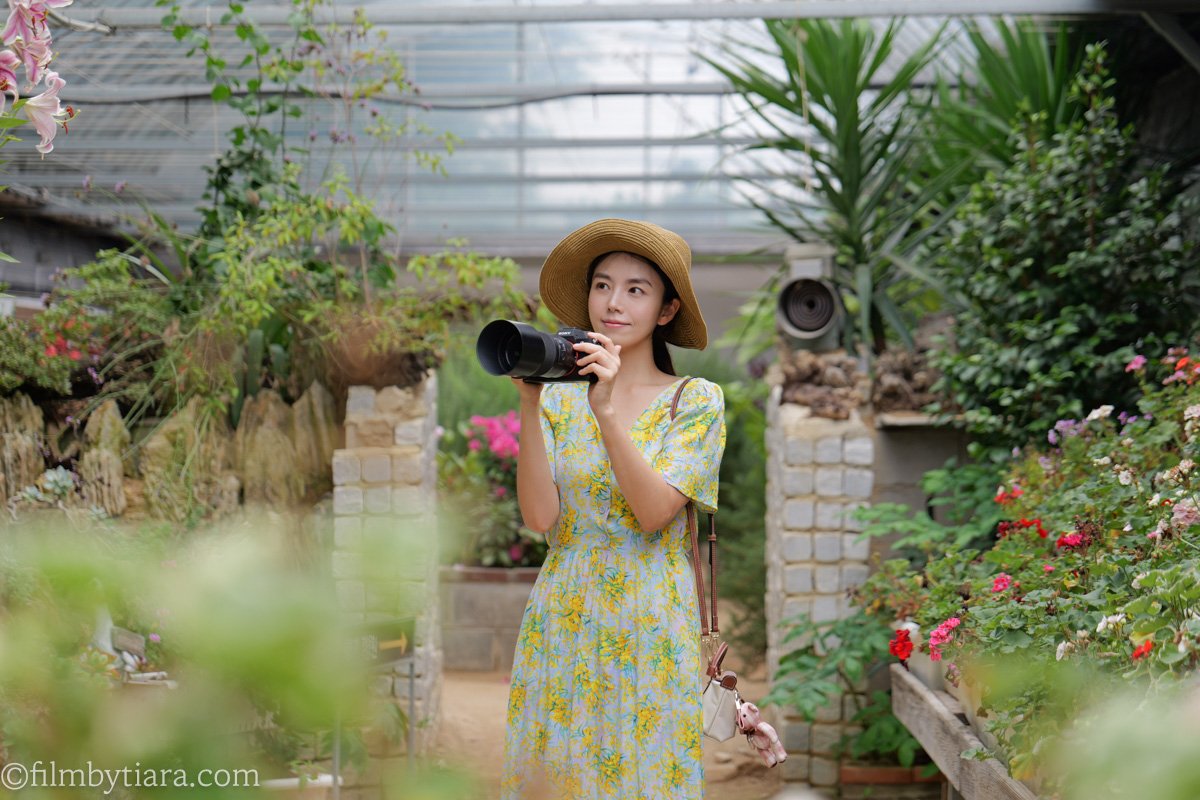
- Herb and flower beds — good for flower-viewing and photos
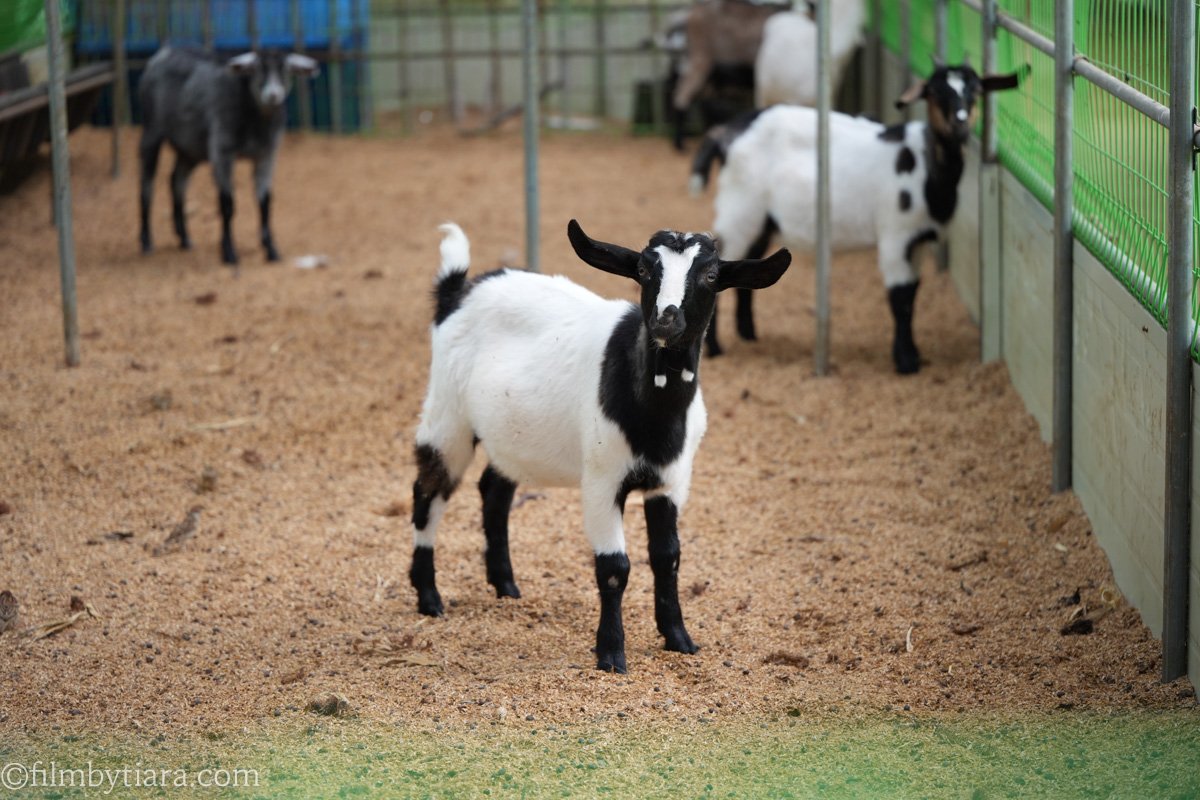
- A small animal area — popular with families and where most visitors tend to gather; in summer heat, it doubles nicely as a shaded rest stop
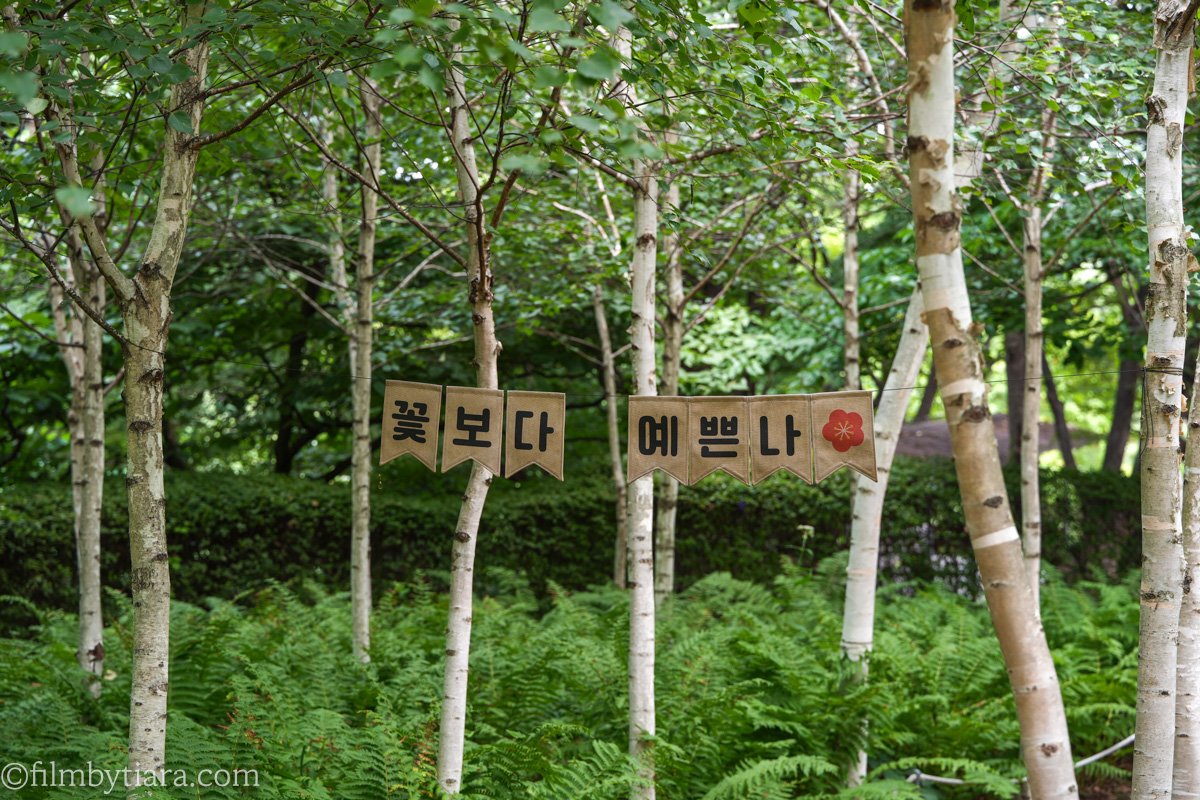
- A birch grove — a short stretch, but shaded and genuinely pleasant to walk through
- A produce/farm experience zone — activities here range from rail sledding to making tomato sauce or gochujang from farm produce, to rice harvesting and milling demonstrations, depending on the season. When I visited, it was tomato season, so the farm zone was selling fresh tomato juice, and I picked up steamed corn — a classic Korean summer snack — from a stand nearby.

Things to Enjoy
At the lower end of the garden, a small stream runs through, and a few families had set up chairs right at the water’s edge, cooling their feet while they relaxed. It’s not a big stream, but it’s a nice spot to pause for a few minutes on a hot day.
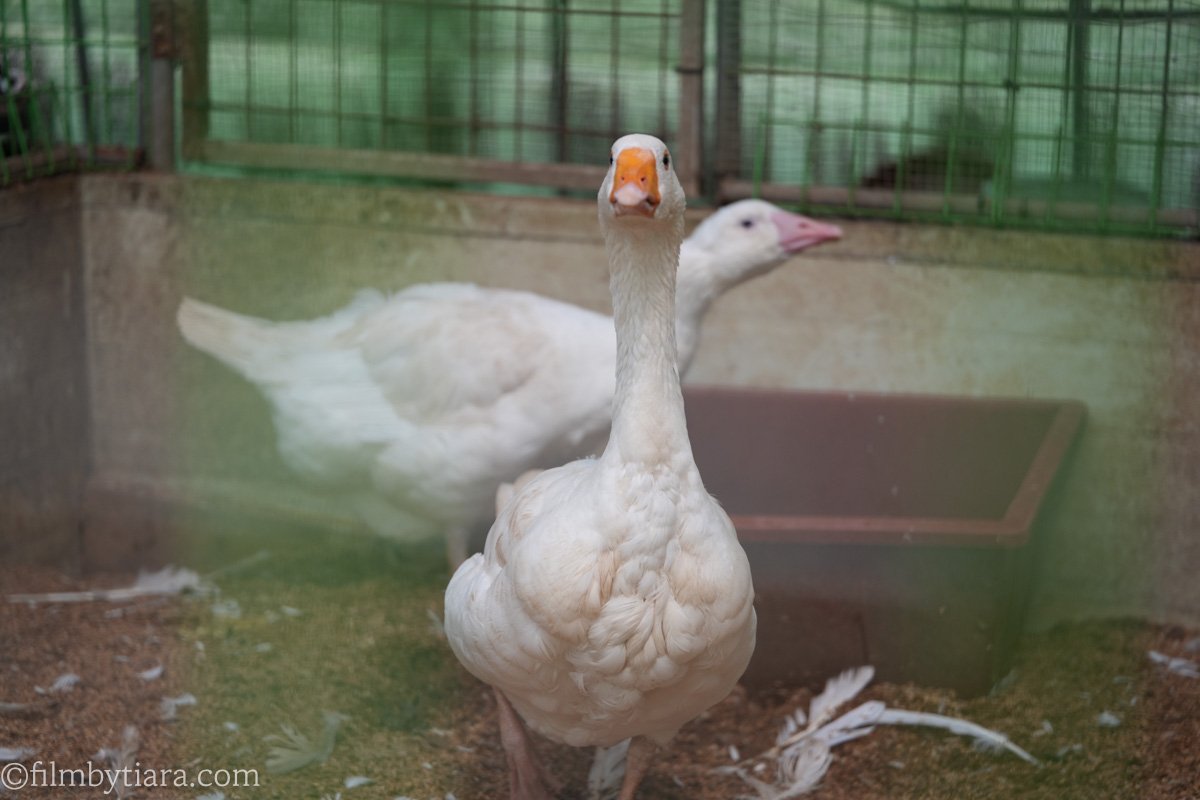
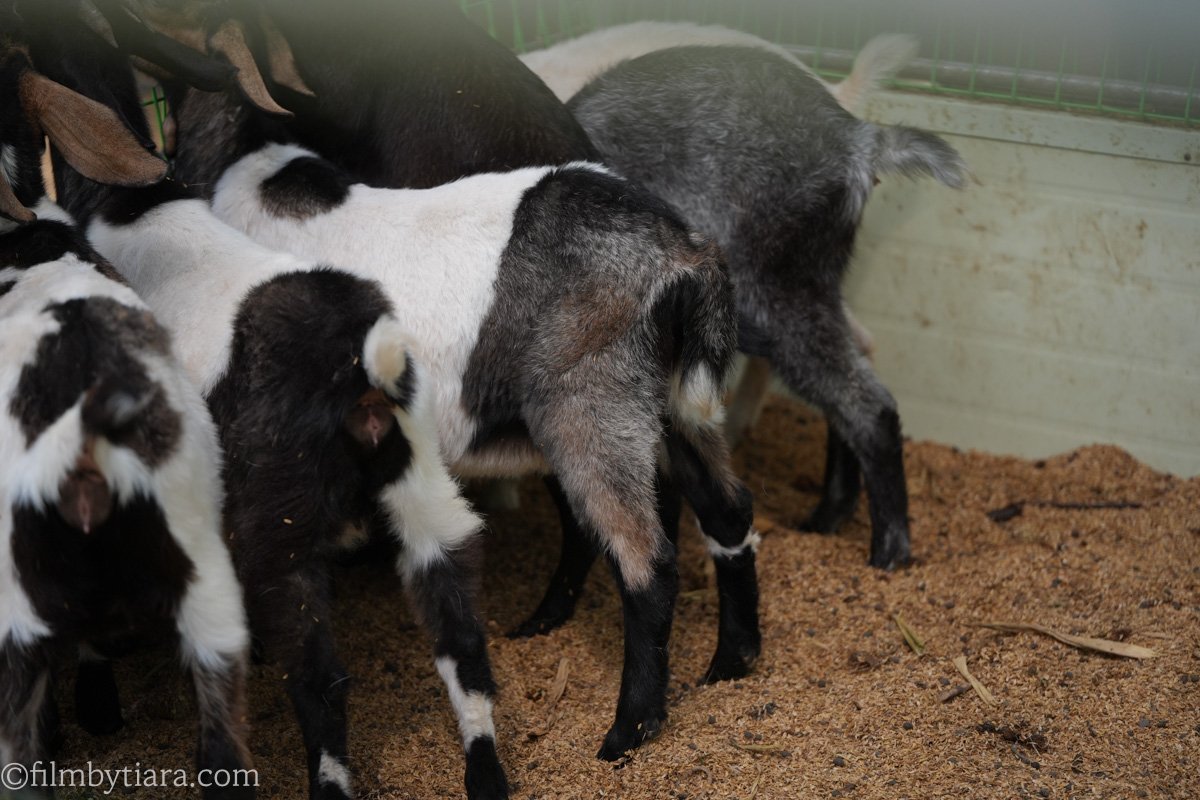
In the small animal area, you can hand-feed ducks, goats, and rabbits — there’s a photo zone here too. And near the very end of the walking course, you’ll come across one of the garden’s prettiest corners: a photo spot framed by a flower-covered arch. Don’t skip taking a picture here.
What You Should Know Before You Go
- Wear comfortable shoes. The paths are mostly packed dirt and gravel — fine for sneakers, less fine for sandals.
- Bring water and sun protection. Some open sections have no shade at all in summer.
- Budget 2–3 hours to walk the full loop without rushing.
- The main and back entrances operate separately — note that in winter (November–March), only the back entrance ticket booth stays open, so check before you plan your route in if visiting in the colder months.
- Admission is a flat rate (5,000 KRW) with no discounts, but given how much ground there is to cover, most visitors find it reasonable for the time spent.
Is Yulbom Botanical Garden Worth Visiting?
Yulbom Botanical Garden won’t be for everyone — without a car, getting out to Toechon takes real effort. But if you’re staying in Korea for a while, have already checked off the main Seoul sights, or simply enjoy a quiet countryside drive, it’s a peaceful spot to spend two or three hours outdoors. Go early in the morning to beat the weekend parking, take your time walking the trails, and grab a local lunch in Toechon before heading back.
